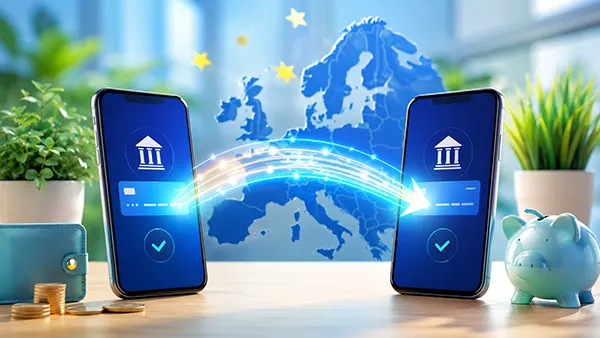
Instant Euro Transfers in 2026: How SEPA Instant Is Transforming Personal Financial Management
Managing money in Europe has changed significantly over the past few years, and 2026 marks an important stage in that transformation. Instant bank transfers are no longer viewed as a premium banking feature but as a standard expectation for consumers. The widespread adoption of SEPA Instant enables euro payments to move between participating banks within seconds, regardless of the day or time. This development is influencing how households budget, transfer funds, pay bills, and respond to unexpected financial situations.
The Growing Role of SEPA Instant in Everyday Banking
SEPA Instant allows euro-denominated transfers to be processed within approximately ten seconds between participating financial institutions across the Single Euro Payments Area. By 2026, the service has become increasingly available due to European regulatory initiatives that encourage equal access to instant payments for consumers and businesses.
For individuals, the practical advantage is straightforward: money becomes available almost immediately after a transfer is sent. Whether splitting household expenses, sending money to family members, or paying independent contractors, users no longer need to wait for traditional banking cut-off times or business days.
The expansion of instant transfers has also reduced dependence on alternative payment intermediaries in many situations. Consumers can increasingly rely on direct bank-to-bank transactions while maintaining the security controls and protections provided by regulated financial institutions.
Why Consumers Are Adopting Instant Transfers Faster Than Ever
One of the main reasons for rapid adoption is convenience. People expect financial services to operate with the same speed as modern communication tools. Waiting one or two business days for a payment now feels outdated when transfers can arrive within seconds.
Transparency also plays a significant role. Real-time confirmation provides certainty for both the sender and recipient. Individuals can immediately verify that rent payments, shared expenses, or personal transfers have been successfully completed.
Another factor is improved accessibility. Many banks have integrated SEPA Instant directly into their mobile applications, allowing users to initiate transfers using familiar interfaces without additional registration processes or separate payment accounts.
How Instant Payments Are Changing Personal Financial Planning
Financial planning increasingly relies on accurate, up-to-date information. When funds move instantly, account balances provide a more realistic picture of available resources. Consumers can make decisions based on current data rather than pending transactions that may take days to settle.
Budgeting practices are evolving as a result. Households can transfer money between savings and spending accounts at the moment it is needed. This flexibility helps reduce unnecessary overdrafts and allows individuals to maintain tighter control over cash flow.
Emergency financial management has also improved. Unexpected expenses such as urgent repairs, medical costs, or travel disruptions can often be addressed immediately through instant transfers, eliminating delays that previously complicated short-term financial decisions.
The Impact on Savings and Cash Flow Management
Many consumers now use multiple accounts for specific financial purposes, such as daily spending, emergency reserves, and long-term savings. Instant transfers make it possible to move funds between these accounts whenever circumstances change.
This capability encourages more active cash flow management. Rather than keeping excessive amounts in current accounts as a precaution, individuals can store money elsewhere and access it instantly when required.
Real-time movement of funds also supports financial discipline. People can allocate money to savings goals immediately after receiving income, reducing the likelihood of unnecessary spending before transfers are processed.

Future Developments and Security Considerations in 2026
As instant payments become more common, financial institutions continue investing in fraud prevention technologies. Real-time transaction monitoring, behavioural analysis, and enhanced customer authentication are becoming standard components of modern payment systems.
European regulatory authorities are also focusing on verification measures designed to reduce payment errors. Confirmation of Payee solutions and similar account verification tools help users confirm recipient information before completing transfers.
The broader financial ecosystem is adapting as well. Retailers, service providers, and digital businesses increasingly support instant account-to-account payments, giving consumers additional alternatives to traditional card-based transactions.
What Consumers Should Expect Over the Next Few Years
The integration of instant payments into everyday financial services is expected to continue expanding. More banks, fintech companies, and payment providers are likely to introduce features built around real-time fund availability and account connectivity.
Cross-border payments within Europe may become even more seamless as participation rates increase and technical standards become more consistent across jurisdictions. This could simplify financial activity for people who live, work, or study in different European countries.
For consumers, the long-term significance of SEPA Instant extends beyond payment speed. The technology is helping create a financial environment where access to funds, visibility of account balances, and transaction certainty occur almost immediately, supporting more informed and responsive personal financial management.